

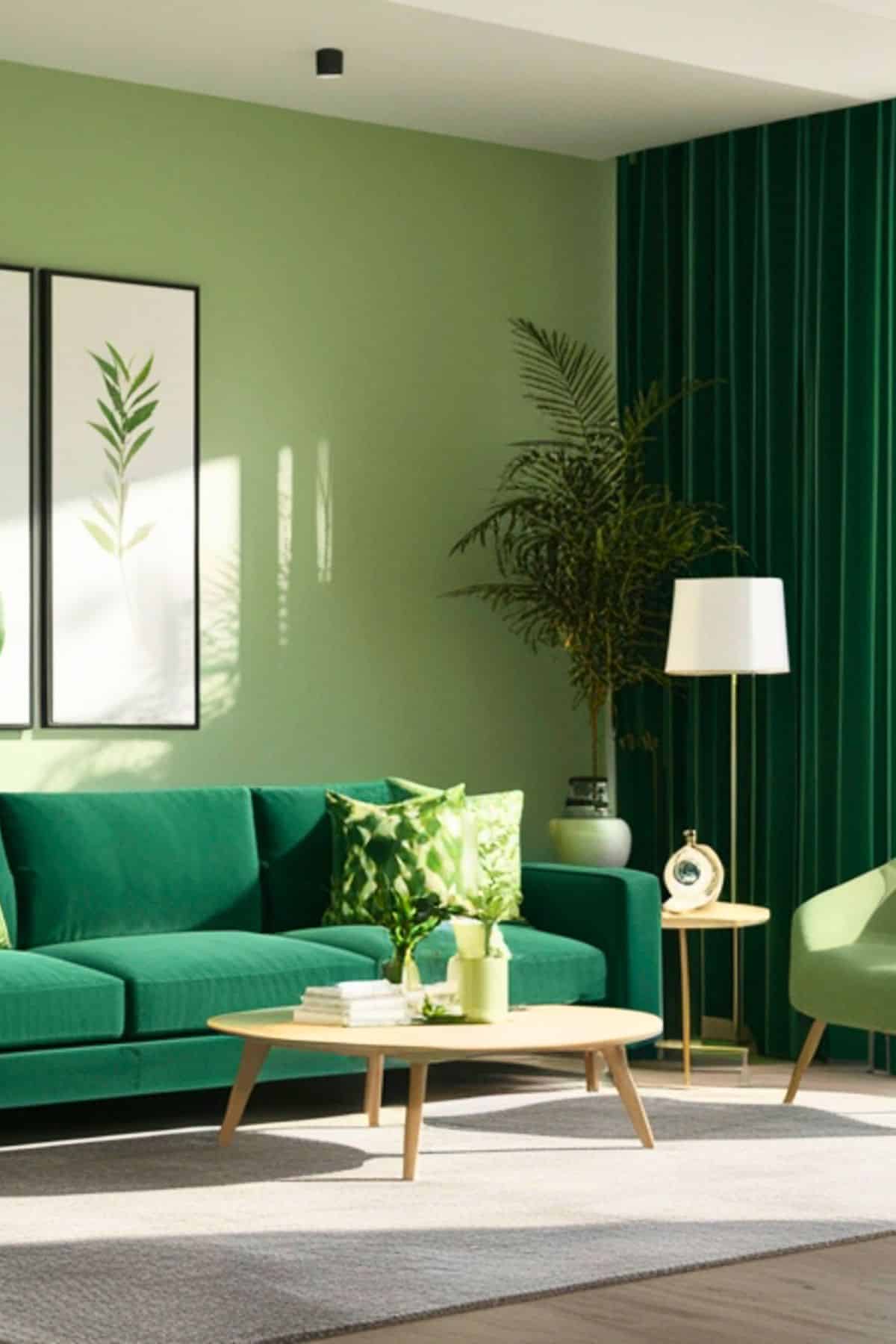
There is a particular feeling that certain homes have. You walk in and something shifts. The pace of your thinking slows, your shoulders drop, and you become aware of the space around you in a way that feels almost physical. It is not about size, or budget, or how recently the walls were painted. It is about intention.
Creating a home like this is less about following trends and more about making deliberate choices. Choices that reflect how you actually want to feel when you are inside it.
Start With How You Want the Space to Feel
Most people begin decorating by asking what they want a room to look like. A more useful question is: what do you want it to feel like?
Grounded. Still. Warm. Open. These are emotional states, not aesthetic categories. But the right choices in a room, in material, light, scale, and object, can genuinely shift how you feel inside it.
This is not a new idea. It sits at the heart of Japanese design philosophy, of Wabi Sabi, of slow living as a broader cultural movement. The home is not a backdrop to your life. It is an active participant in it.
Once you are clear on the feeling you are designing toward, every other decision becomes easier to make and easier to resist when it does not serve that intention.

Choose Objects That Mean Something
The fastest way to create visual noise in a home is to fill it with things that do not mean anything. Decorative objects bought quickly, without thought, in the name of completing a room. They sit on the shelf but they do not belong there. They neither add nor subtract. They simply accumulate.
Intentional decorating asks something different. It asks you to be selective. To choose fewer things, chosen more carefully, each one earning its place.
This does not mean every object has to carry profound personal significance. It means asking, before something comes into the home: does this belong here? Does it add something, beauty, texture, meaning, or calm, or does it simply fill space?
Sculptural pieces tend to do this well. A well-chosen ceramic, a stone figure placed at eye level in a corner, or a wooden Buddha statue positioned on a console or shelf. These are objects that do not demand attention but reward it when given. They anchor the room without dominating it.
The Role of Natural Materials in a Grounded Interior
There is a reason natural materials feel different to live with. Stone, wood, linen, jute, clay. These materials carry a physical quality that manufactured surfaces do not. They are irregular. They respond to light differently depending on the time of day. They age in ways that feel earned rather than worn out.
Incorporating natural materials into a home is one of the most straightforward ways to introduce genuine warmth. Not the warmth of colour temperature alone, but the warmth of tactility. Of a surface that invites touch, that feels alive in a way that laminate and gloss never quite manage.
This applies to decorative objects as much as it does to furniture and flooring. A hand-finished stone figure, a bowl turned from solid wood, an oil burner in unglazed ceramic. These pieces bring the logic of natural materials into the most personal corners of a space. It is worth taking time to find pieces made with genuine care. The difference between something mass-produced and something thoughtfully sourced is almost always visible, and always felt.

Creating Stillness Through Restraint
The homes that feel most calm tend to share one quality: there is room to breathe. Not necessarily in terms of square footage, but in terms of visual density. Things are not competing for attention. The eye can move through the space and settle, rather than skipping from surface to surface looking for somewhere to land.
Restraint is harder to achieve than abundance. It requires ongoing editing. The willingness to remove things as readily as you add them. Most well-designed spaces are the result of subtraction as much as addition.
This is where the Japanese concept of ma becomes useful. Ma refers to the meaningful use of negative space. The idea that emptiness is not absence but presence. A gap between objects. A clear surface. A wall with one considered piece rather than a gallery of ten. These are not missed opportunities. They are decisions in their own right.
Spiritual Objects in the Modern Home
There has been a quiet but consistent shift in how people approach decorative objects with spiritual or symbolic origins. Buddha figures, singing bowls, incense holders, and similar pieces have moved out of the niche and into mainstream home interiors. Not as religious statements, but as grounding objects. Pieces that carry a particular quality of stillness.
This shift makes sense. In homes where calm is the goal, objects that have historically been associated with meditation, presence, and contemplative practice carry that association with them. A meditating figure on a sideboard does something different to the energy of a room than a generic sculpture would. Its meaning, even if not personally religious, is readable.
When I started Root & Still, this was the underlying idea. That certain objects carry a particular quality of stillness with them, and that quality transfers to the spaces they inhabit. Not because of superstition, but because of what they ask of you when you are around them: to slow down, to notice, to be present.
The key, as with all decorative objects, is placement and proportion. A single figure at the right height and scale in the right corner will do more than a cluster of smaller pieces crowded onto a shelf. The object needs space to be itself.
Light as an Active Design Element
No decorative choice exists independently of light. The same object in morning light and evening light is two different objects. The same room in natural daylight and under warm artificial light is two different rooms.
Intentional decorating pays attention to this. It considers where natural light enters and at what time of day, and uses that to inform where reflective surfaces, warmer tones, and lighter materials are placed. It uses artificial light not simply to illuminate, but to shape. To warm, to create focus, to signal that the day is winding down.
Candles and oil burners play a particular role here. They introduce a quality of light that electric sources cannot replicate: the movement of a flame, the warmth of a wick. Combined with the sensory dimension of scent, they shift the atmosphere of a room in a way that is immediate and physical.

Scent as the Most Overlooked Element of Interior Design
Interiors are almost always discussed in visual terms. We talk about colour, proportion, texture, and light. Scent is rarely part of the conversation, despite the fact that smell is the sense most directly connected to emotional memory and mood.
A home that smells considered, of sandalwood, of clean linen, of something warm and grounded, feels different to one that does not. This is not about masking. It is about choosing, as deliberately as you would choose a paint colour, what olfactory quality you want your home to carry.
Incense, essential oils, scented candles, and wax burners each offer a different quality of scent diffusion. Incense tends toward the ritual, towards something that signals a shift in pace. Candles are warmer, more immediate. Oil burners offer sustained scent over longer periods. The choice depends on the room, the time of day, and the feeling you are designing toward.
A Note on Patience
The most intentional homes are rarely the result of a single shopping trip or a room makeover completed in a weekend. They are built slowly, by people who have been paying attention to what they want from their spaces over a long period of time, adding things gradually and removing them just as readily.
This patience is part of the philosophy. A home built quickly will feel exactly like that. Assembled rather than considered. The pieces that make a space feel grounded are usually the ones that arrived because they were right, not because they were available.
Live with gaps. Leave surfaces clear longer than feels comfortable. Add things one at a time and let each new object settle into the space before adding the next. The home will tell you what it needs.
In Summary
Creating a home that feels grounded and intentional is not a design project with an end point. It is an ongoing practice of attention. To how you want to feel, to what earns its place, to the quality of materials and light and scent, and to the value of restraint.
The homes that stay with you, the ones you remember long after you have left them, are the ones that felt like someone had thought about them. Not expensively. Not perfectly. But deliberately, with genuine care for what it feels like to be inside them.
That is all intentional decorating really is: caring about the experience of the people who live there, and making choices that reflect that care.
This article was contributed by Dhriti, founder of Root & Still, a UK home decor brand focused on mindful, spiritually-inspired decorative pieces for calm, intentional spaces.
