


Giving your home a designer feel doesn’t need a complete overhaul or a significant budget. The most effective upgrades are often the most considered, such as the right light in the right place, a window dressed with intention, or a palette pulled together with care.
With a few well-chosen changes, any room can feel markedly more polished and liveable.
Simple Ways To Elevate Any Room In Your House
1.Refresh the Space with Layered Lighting
A single overhead light is almost always the enemy of atmosphere.Layered lighting, combining ambient, task, and accent sources, allows homeowners to create zones within a room, shift from bright functional light to a warm evening setting, and add depth that a solitary ceiling fixture simply cannot achieve.
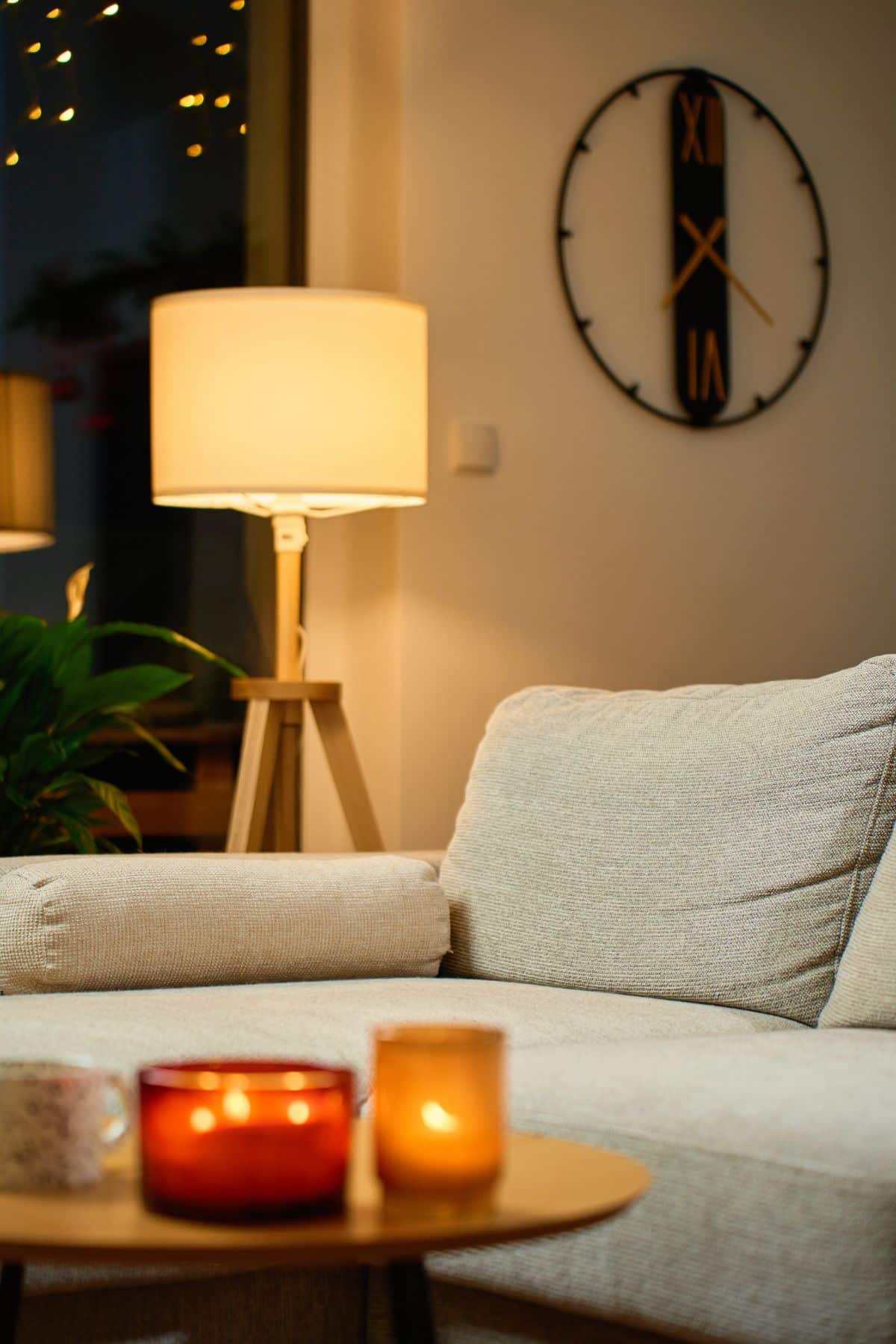
Pendant lights provide general illumination, floor and table lamps introduce warmth at eye level, and wall lights or LED strips can draw attention to textures, artwork, or architectural features.
Rechargeable lamps have made this approach far more accessible, removing the need for new wiring or additional sockets altogether.
2. Make a Statement with Window Treatments=
Window dressings do more work than most people give them credit for. Besides privacy and light control, they define the proportions of a room, reinforce a design style, and can make a ceiling feel higher or a window feel grander simply through their choice of fabric and hang.
Sleek, modern vertical blinds for floor-to-ceiling windows or patio doors offer a particularly streamlined solution in minimalist or contemporary interiors as they manage light precisely, keep sight lines clean, and avoid the visual weight that heavier curtain arrangements can bring to large expanses of glass. In rooms where clutter-free styling is a priority, that simplicity of line earns its place.

3. Use Colour and Texture to Add Depth
Colour and texture work best when they’re layered instead of applied all at once. A considered palette, warm neutrals anchored by one or two deeper accent tones, gives a room coherence without making it feel flat. Introduce texture through cushions, a woven rug, a chunky throw, or a piece of upholstery in boucle or velvet, and the room immediately acquires a sense of warmth and dimension that paint alone cannot achieve.
The Guardian’s guide to budget home upgrades highlights that thoughtful layering of textiles, including plump and well-filled cushion inners, is one of the most reliably effective ways to make a room feel more expensive without spending heavily.
The key is restraint: a few well-chosen pieces in complementary tones consistently outperform a room stuffed with variety.

4. Style with Accessories That Feel Intentional
Accessories are where rooms either pull together or fall apart. The difference between a surface that looks styled and one that looks cluttered usually comes down to grouping, scale, and editing. Decorative objects work best in odd-numbered clusters, varying in height and material, such as a ceramic vase, a small stack of books, or a plant, rather than scattered individually across a shelf or mantelpiece.
Artwork should be hung at eye level, not pushed too high. Greenery, whether a large structural plant or a small pot on a windowsill, consistently brings warmth and life to a corner that nothing else quite replicates.

A room that feels genuinely elevated is rarely the result of one single purchase. It’s built gradually through better decisions in each category, such as light, window treatment, colour, and accessories, until the whole feels more considered than the sum of its parts.
