


Central heating installation is one of the most significant home improvements a property owner can undertake, affecting comfort, energy efficiency, and running costs for years to come.
The process involves selecting the right system type, sizing the boiler correctly, and ensuring the installation is carried out by a Gas Safe registered engineer to meet legal requirements.
Heating specialists such as Boilerhut help homeowners work through these decisions systematically, from choosing between system and combi boilers to managing the installation timeline with minimal disruption.
Choosing Between Combi, System, and Regular Boilers
The first decision in any central heating installation is selecting the right boiler type for the property. Combi boilers provide both heating and hot water on demand without a separate cylinder, making them ideal for smaller homes and flats where space is limited.
System boilers work alongside a hot water cylinder to supply stored hot water to multiple outlets simultaneously, which suits larger households with higher demand.
Regular boilers, also known as heat-only or conventional boilers, are typically found in older properties with existing cylinder and tank setups and are usually the most practical replacement in those situations.
Sizing the Boiler Correctly
A boiler that is too small for the property will struggle to maintain comfortable temperatures during cold periods, while an oversized boiler operates inefficiently and cycles on and off more than necessary.
Correct sizing is based on the heat loss calculation for the property, which accounts for the number of rooms, insulation levels, the number of radiators, and the hot water demand.
A qualified heating engineer will carry out this assessment before recommending a specific boiler output in kilowatts, ensuring the system performs reliably under the expected load.
The Installation Process Step by Step
A central heating installation typically begins with removing the old boiler and any components being replaced, such as the cylinder, expansion tank, or pump. The new boiler is then positioned, flued, and connected to the pipework, with the system pressure-tested before the first firing.
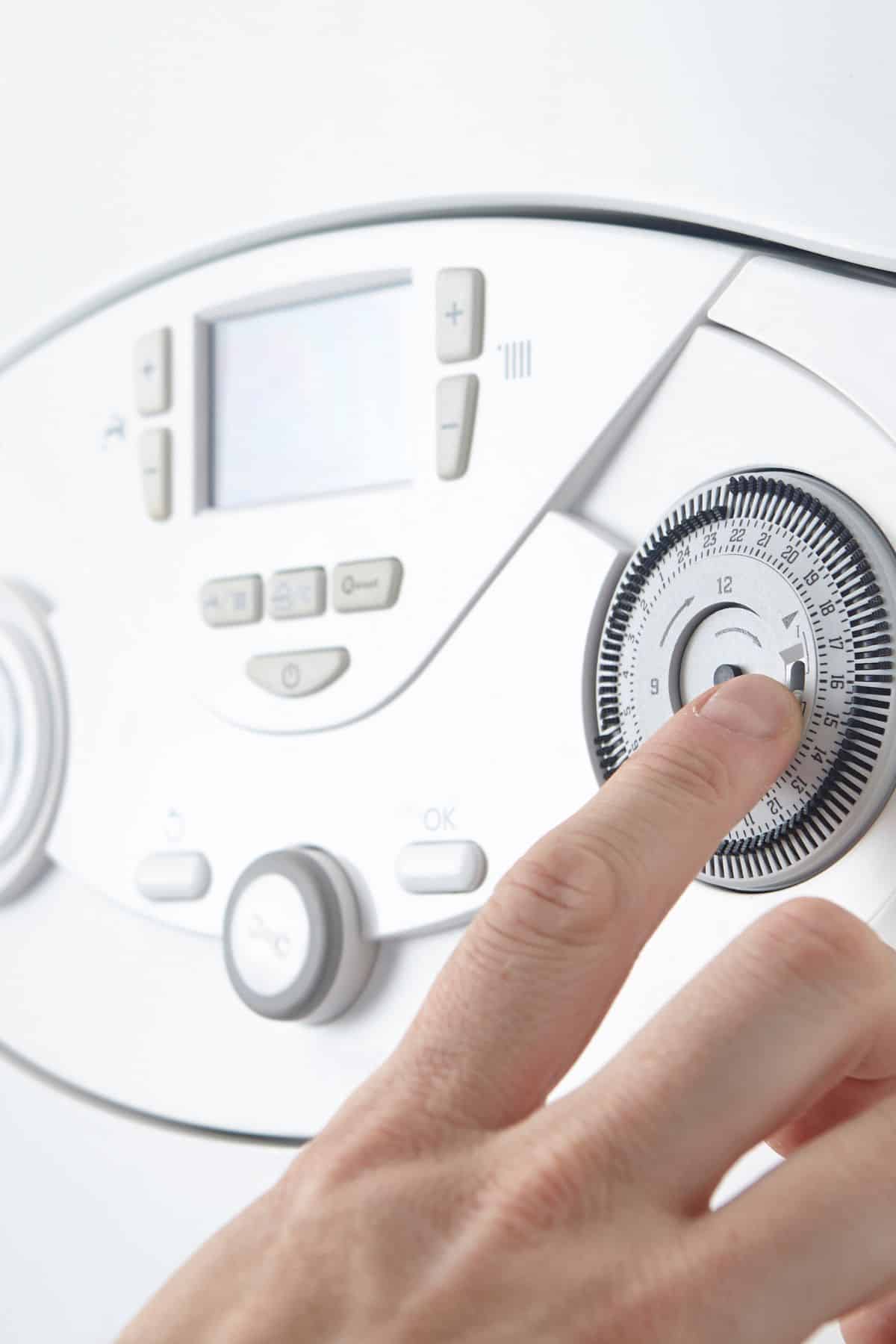
Where a full system is being installed from scratch, the engineer also fits radiators, runs pipework throughout the property, and installs the programmer and thermostat.
A standard boiler swap usually takes one to two days, while a full installation in a property with no previous central heating can take considerably longer.
Gas Safe Registration and Legal Requirements
In the United Kingdom, any engineer working on gas appliances must be registered with Gas Safe, the official register that replaced CORGI in 2009. It is a legal requirement for gas boiler installations to be carried out by a registered engineer, and homeowners should always verify registration before work begins.
An unregistered engineer cannot legally install a gas boiler, and any installation carried out without registration is potentially unsafe and will invalidate the boiler warranty. The Gas Safe Register is publicly searchable, making it straightforward to confirm that an engineer is authorised to carry out the specific work required.
System Controls and Smart Thermostats
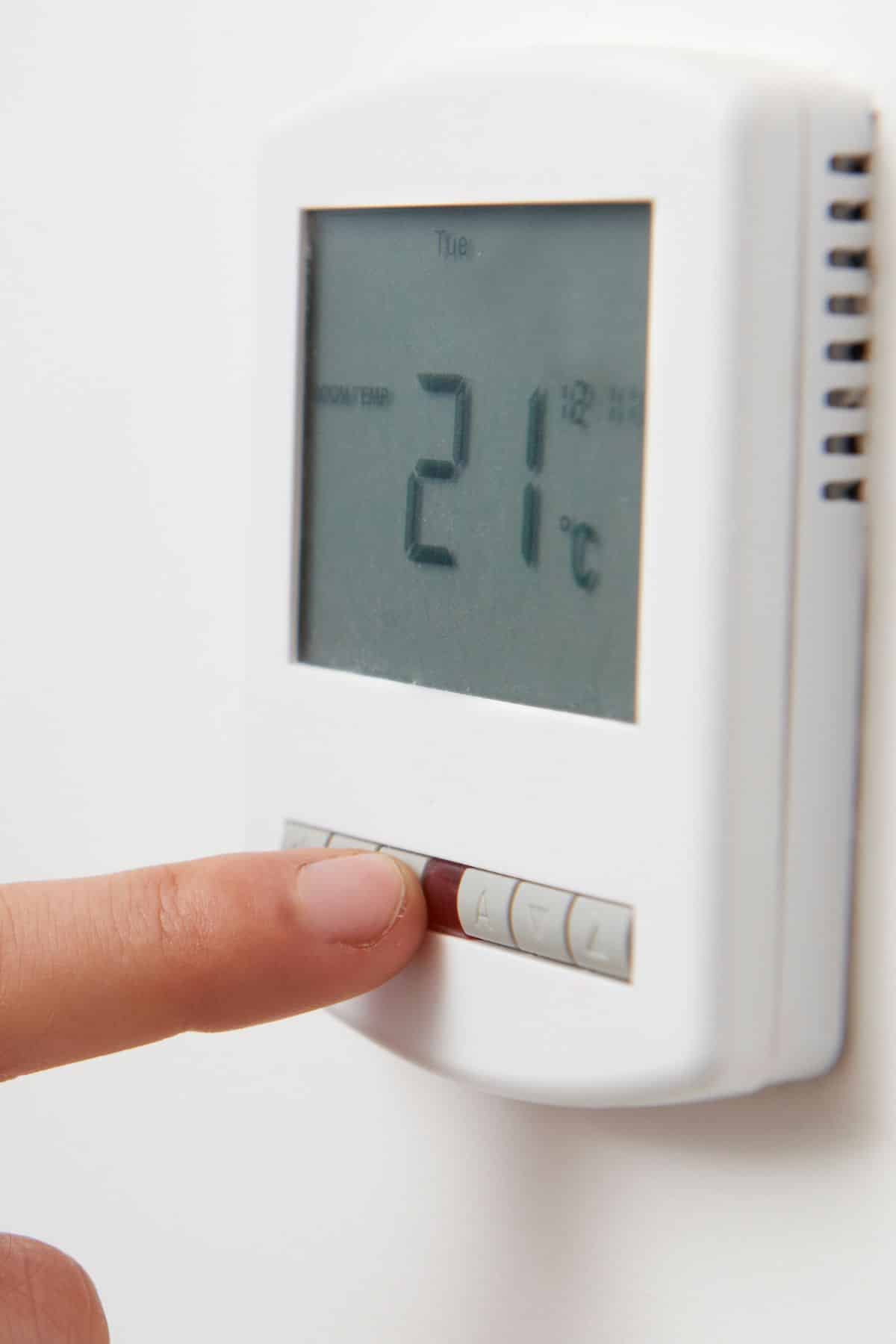
Modern central heating installations typically include programmable or smart thermostats that allow much greater control over heating schedules than older mechanical controls.
A programmer allows heating and hot water to be set on a timed schedule, while a smart thermostat can be controlled remotely through a smartphone and learns usage patterns over time to optimise energy consumption.
Including smart controls as part of a new installation from the outset is usually more cost-effective than retrofitting them later, and most modern boilers are compatible with the leading third-party smart control systems.
Costs, Warranties, and Aftercare
The cost of central heating installation varies depending on the boiler type, the complexity of the pipework, and the location of the property.
A straightforward combi boiler replacement typically costs less than a full system installation in a property being connected to central heating for the first time. Most new boilers come with manufacturer warranties of five to twelve years, usually conditional on annual servicing by a registered engineer.
Registering the warranty promptly after installation and keeping a record of service visits protects the homeowner and maintains the validity of the manufacturer guarantee throughout the warranty period.
