

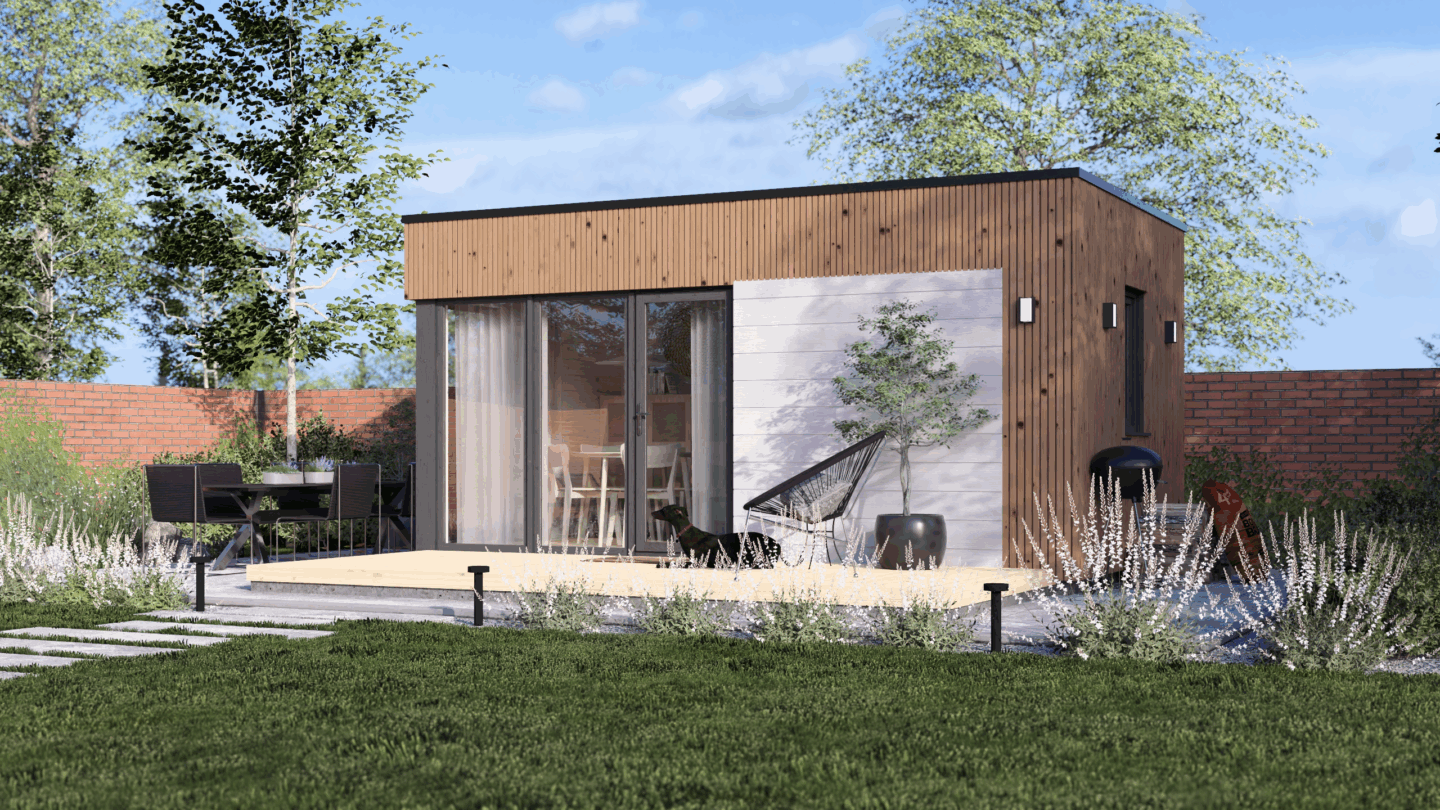
In the UK, garden rooms have transformed people’s lifestyle choices. More and more people are using garden rooms instead of traditional extensions to create a space for working, hobbies, and relaxing in their garden.
The global garden room market is currently experiencing significant growth. The market is expected to reach £2.81 billion in 2026 and £4.27 billion by 2030, with Europe—especially the UK—showing particularly strong growth.
In this guide, we will explore essential design guidelines, realistic costs, and the potential return on investment offered by modern garden rooms.
What Is a Garden Room? (And What It Is not)
A garden room isn’t just a simple summer house or shed; it is a fully insulated building that can be used all year round. It can be your supplementary accommodation for effective living. Buildings of this type are often allowed under permitted development rights, but you should still check whether planning permission or building regulations apply, particularly if the structure is used for sleeping accommodation or exceeds certain size limits.
Garden rooms include proper foundations, insulation, and utilities. They are most often used as home offices, gyms, or art studios. A garden room is also popularly used as guestrooms or rooms dedicated to one’s hobbies.
Design Essentials: 7 Elements Every Garden Room Needs
Garden rooms can significantly enhance the appearance and functionality of your outdoor space.
• Shed Foundation and Base: The foundation on which the shed will be constructed should be robust and damp-proof. It may consist of a solid concrete slab or ground screws.
• High-performance insulation, with walls targeting U-values of 0.28–0.30 W/m²K and roofs and floors around 0.15.
• Any indoor area must have electrical infrastructure. Along with that, heating systems should also be put into place.
• The strategic placement of windows and doors allows maximum natural light into the space. It cuts down the use of artificial lights for a long period during the day. It also improves the sense of space.
• Use built-in storage and versatile furniture to maximise functionality in compact spaces.
• Paths, planting, and visual integration make sure the garden room does not feel like a building but the natural extension of the house and garden.
• It is also useful to design the space with future flexibility in mind, such as allowing it to be converted into a media room or guest space.
A garden room must provide effective insulation to ensure comfortable year-round use. Meeting these design elements will make the room a success.
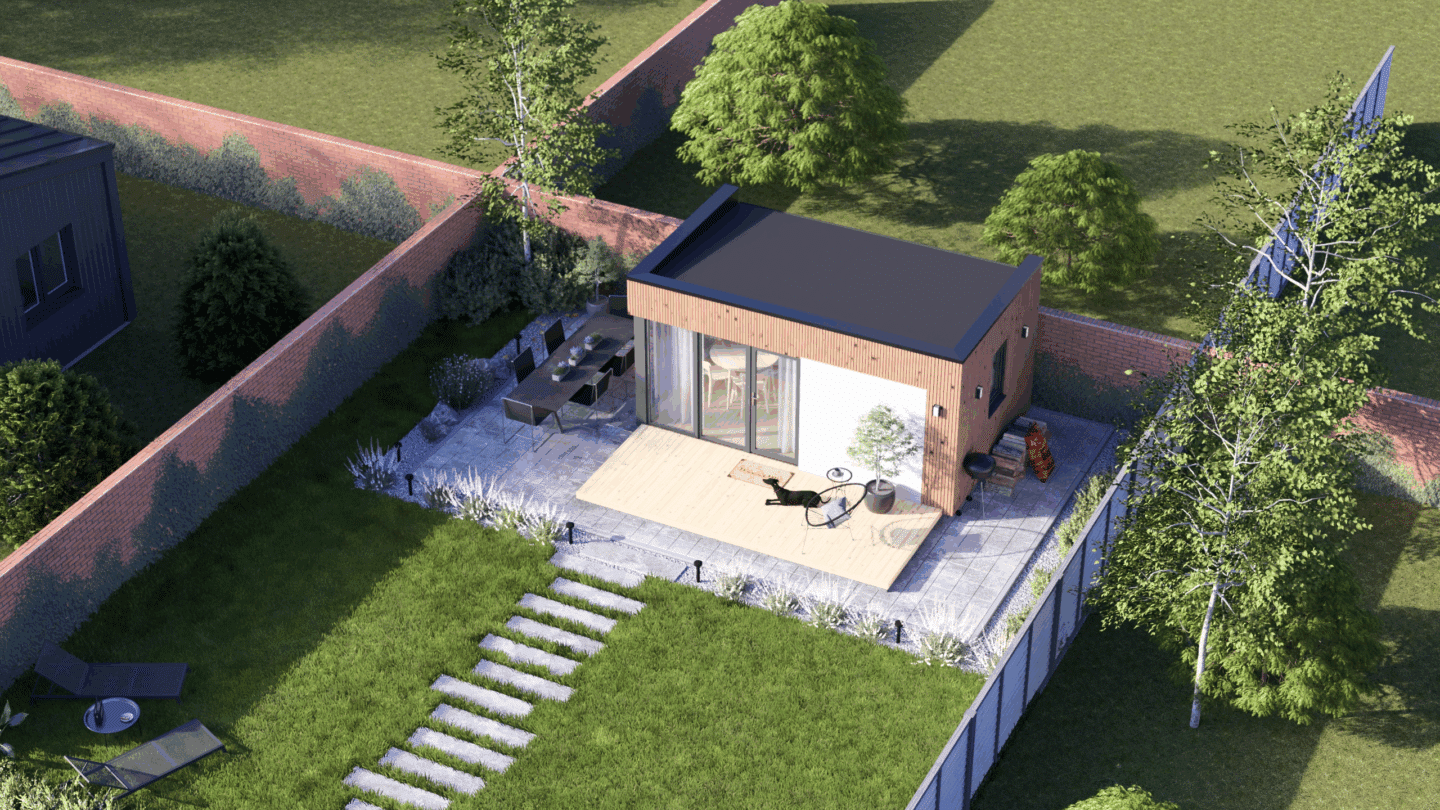
Garden Room Costs Breakdown: What to Budget in 2026
· The cost of a garden room in 2026 varies hugely depending on size, specification and level of finish. Costs vary depending on whether you choose a simple prefab unit, a premium eco garden office, or something in between.
· A 3×3m insulated room may cost £8,000-£15,000. They usually arrive as a kit for self-assembly or a quick install.
· A good quality build with interior fit-out and electrical installation typically costs under £20,000. Luxury garden rooms with smart home controls, bespoke glazing, and high-spec interiors can cost over £40,000 when architect-designed and fully equipped.
To consider the total cost, you may need to factor in the groundwork – typically costing £1,000–£3,000. Take into account connecting to the main house electrically, specifying £800–£2,500. The new building will also incur costs of furnishing and landscaping.
Planning Permission and Building Regulations: What You Must Know
Most garden rooms in the UK do not require planning permission because they fall under permitted development rights. However, building regulations may still apply (normally in relation to living spaces).
A garden room is usually considered permitted development if it meets certain conditions. For example, the maximum internal floor area is typically 30 m², the height must not exceed 2.5 m if the structure is within 2 m of a boundary, and the total area of outbuildings must not cover more than half of the garden. Building Approval. Usually, a garden room does not require any planning. There are some exceptions, however. Planning permission may be required if the structure is used for sleeping accommodation in protected areas such as National Parks or Conservation Areas.
How Garden Rooms Add Property Value
A high-quality garden room installed by an established company can increase property value by between 5% and 15%. On average, this may represent an uplift of around £20,000, or roughly 7.5%. It is always wise to get professional advice for your own individual property, but these figures are significantly less costly than many traditional extensions.
Your garden room can also be a money-maker for you. For example, a garden room may have strong Airbnb rental potential, earning between £80 and £150 per night. That’s how much you could earn from one night in your garden room. This means you could earn £10,000-15,000 per year with low occupancy levels.
Utilizing the property will also help lead to improved energy efficiency and energy savings. This can reduce heating usage in the main house by moving daytime activities into the garden room. The estimated heating bill for a garden room that is heated on an electric system is around 7–15p per hour.
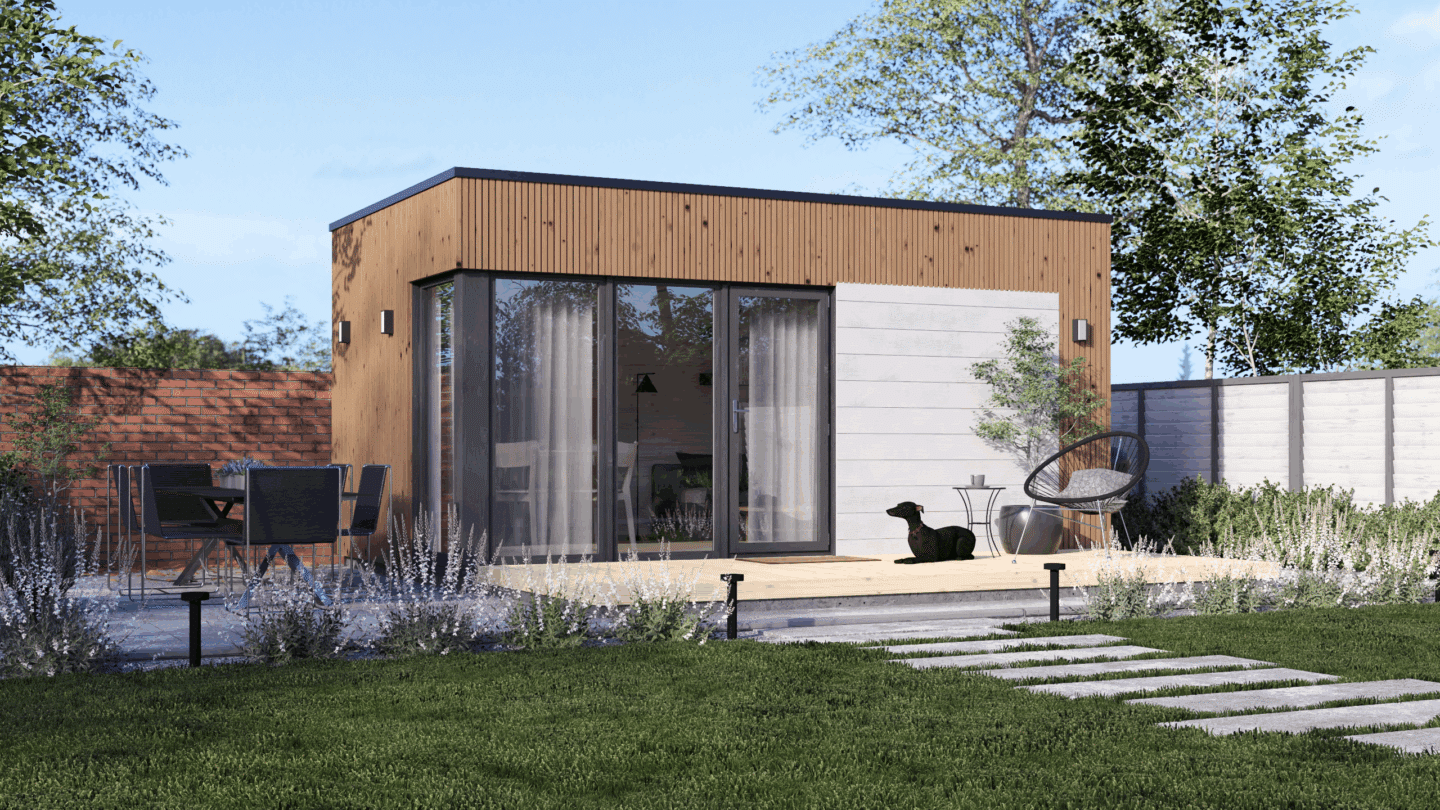
Choosing Your Garden Room: Prefab vs. Custom Build
If you are in the process of buying a garden room and deciding between a prefab or custom-built option, this section will help you choose. Financial considerations, timing considerations and/or bespoke design requirements will all factor into the choice. For instance, if your space is on the more awkward side and you require a bespoke design & build for the best use of the space. Or you are looking for a uniquely shaped building. Or a building that fits perfectly into your garden. You may sometimes want to ask for a specific design aesthetic or better quality materials or a top specification glazing etc.
If you have no personalized specifications and a standard-size garden room would do, you will likely save precious time and money by going down the prefab garden route.
Conclusion
Garden rooms can provide both short-term and long-term returns on investment. Most UK garden rooms essentially fall into the category of ‘outbuildings’, but interpreting the specifics of this designation can be complex. When designed and installed correctly, a garden room can become a highly valuable addition to your property.
Boosts Property Worth. A garden room can boost the value of a property by as much as 15%. They often deliver a better return on investment than traditional home extensions. They also provide a dedicated and affordable workspace at home. It is perfect for at-home working sessions.
Frequently Asked Questions
How much does a garden room cost in the UK in 2026?
According to the latest UK garden room cost statistics (2026), a budget prefab garden room will cost £8,000-£15,000, a mid-range custom built garden room will set you back £20,000–35,000 and a high end luxury garden room will cost from £40,000+. You’ll typically see installation included in these costs, but there are key hidden costs.
Do I need planning permission for a garden room?
Most garden rooms don’t need planning permissions as they fall under the Permitted Development rights. This allows you to build a garden structure without needing to apply for planning permission from the local council. However, the construction is to be within limits that include. The space should not exceed 30 square metres. The ceiling height must be less than 2.5m if the room is within 2m of another.
How long does it take to install a garden room?
There is a difference in the installation timelines. The pre-manufactured products take less time to get installed. Prefab garden rooms require only 2 to 4 weeks for installation. On the flip side, custom-built garden rooms take a much longer time. Custom-built garden rooms typically take longer to construct.
Will a garden room add value to my house?
In many cases, a garden room can be used for occasional overnight guests, but permanent sleeping accommodation may require planning permission or building regulation approval.
What is the best use for a garden room?
A garden room is best suited for uses that require a quiet, insulated space outside the main house. Home offices, gyms, art studios, guest rooms, and hobby spaces are the most common uses for garden rooms.
Do garden rooms need heating and insulation?
The heating provided in your garden room as well as its insulation ensures that you enjoy all year-round use and comfort. High-performance insulation typically targets U-values lower than 0.30 W/m²K.
Can I use a garden room as a home office?
A garden room is a wonderful space to create a home office that can be distraction-free and away from your house.
What size garden room can I build without permission?
Planning permission is not needed for constructing a garden room as long as you abide by some restrictions. When the room is within 2 meters of the boundary, then it should be at 2.5m height. And the maximum internal floor area must be 30m2.
How do I choose between a prefab and custom garden room?
Your budget, timeline, site constraints, and aesthetic preferences will dictate if prefab or custom is best.
Are garden rooms worth the investment?
There is no denying that garden rooms are a good investment because they can improve the value of your property, generate rental income and save energy.
