

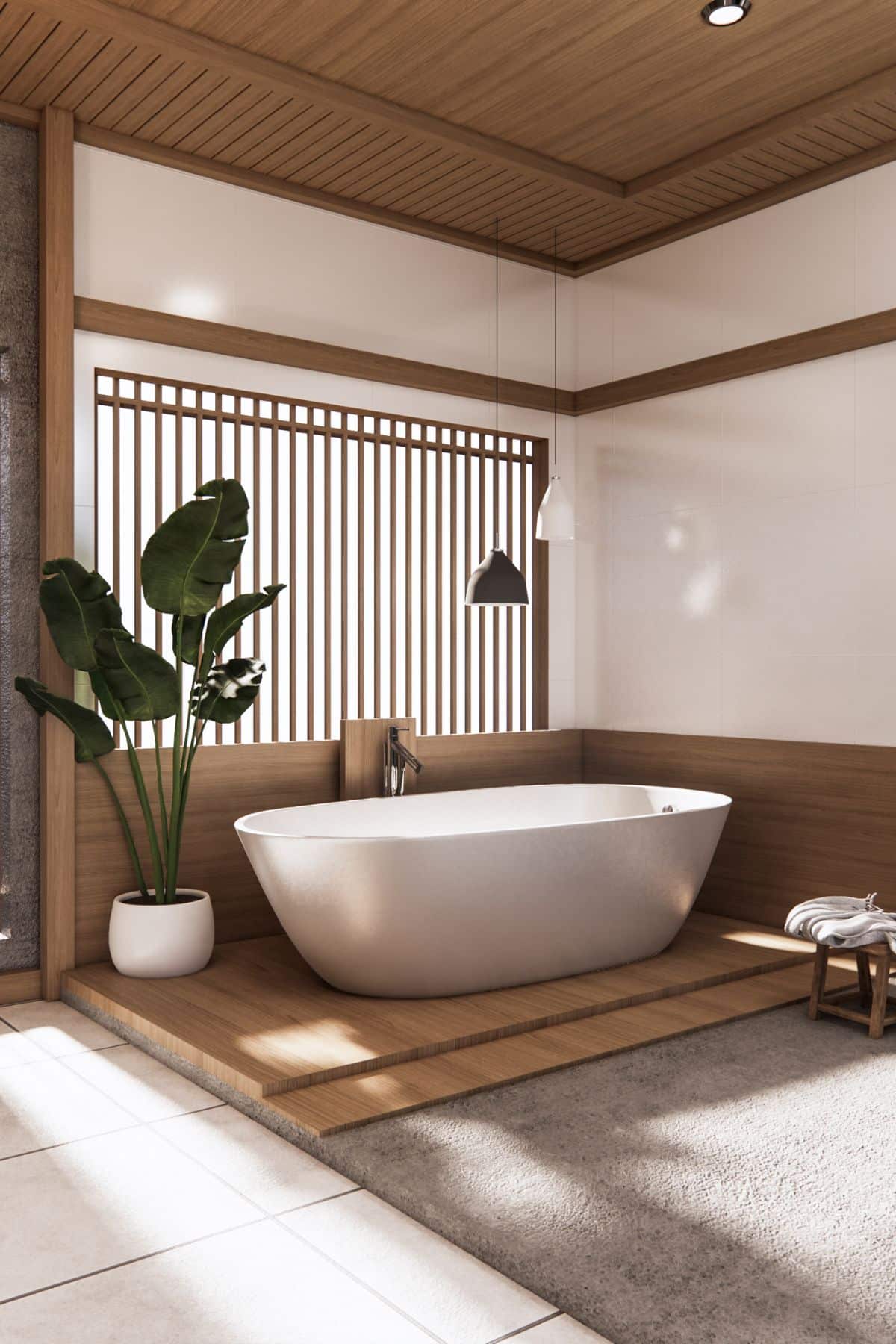
A bathroom isn’t just any old space. In fact, it’s one of the hardest-working aspects of the home. It’s where you begin and end each day. But sadly, for many homeowners, it remains one of the most neglected rooms in the house, often overlooked by other areas.
The good news? There are plenty of ways you can completely reinvent the look and feel of your bathroom. Whether you’re working with a compact en-suite or a spacious family bathroom, these 10 design ideas will help you create a luxury space from floor to ceiling.
1. Upgrade to Sleek Shower Panels
One of the most transformative single upgrades you can make to a bathroom is replacing tired, grout-heavy tiled shower walls with modern shower panels.
These large-format wall cladding systems have surged in popularity in recent years, and it’s easy to see why. A single panel can cover an entire wall in one seamless sheet, with no more grout lines and the relentless scrubbing that comes with them.
Shower panels are available in a stunning range of finishes, from marble-effect to high-gloss white and other bold statement colours. Most are manufactured from PVC or acrylic composites, making them 100% waterproof, incredibly durable, and surprisingly lightweight.
Many homeowners are amazed to discover that fitting shower panels is a genuine DIY-friendly project; they can often be installed directly over existing tiles, saving time and the mess of a full strip-out.
From a design perspective, shower panels allow you to achieve the look of expensive stone or polished surfaces at a fraction of the cost.

2. Swap Plaster for Bathroom Ceiling Panels
The ceiling is the most overlooked surface in bathroom design. It’s what designers sometimes call the ‘fifth wall’. While most renovation budgets focus on floors and walls, a tired, peeling, or mould-spotted ceiling can undermine even the most beautifully decorated bathroom.
Much like shower panels, bathroom ceiling panels are made from moisture-resistant PVC or composite materials, designed specifically to withstand the steamy, humid environment of a bathroom. Unlike traditional painted plasterboard, which can soon peel and harbour mould over time, ceiling panels are fully waterproof.
Panels are available in a range of finishes, including crisp gloss white, perfect for smaller bathrooms to create a sense of height. There are also wood-effect panels for a warm, spa-like ambience, and even metallic finishes for a bolder design statement.
3. Upgrade Your Shower Head
It’s one of the simplest and most affordable upgrades available, yet a new shower head can have a surprisingly dramatic effect on your daily experience.
Shower head designs have evolved quite a lot in recent years, and today’s options go far beyond a basic spray fitting. Rainfall shower heads, in particular, have become a defining feature of modern bathroom design.
For a real visual statement, you can choose a square or rectangular rainfall head in a finish that matches the rest of the room, like matte black, brushed brass, or brushed nickel. If you prefer a more flexible setup, combining a fixed rainfall head with a separate handheld shower wand on a slider rail can give you the best of both worlds.

4. Add Better Lighting
Lighting can make or break a bathroom. A single overhead bulb is functional at best; at worst, it casts unflattering shadows and makes the room feel rather uninspiring. For modern bathroom design, layered lighting is often best. This combines ambient, task, and accent sources to create a space that can shift from bright in the morning to soft in the evening.
Recessed ceiling downlights provide clean, even ambient light with no fittings to collect steam and dust. LED mirror lights or vanity mirrors are essential for task lighting, far more practical for grooming than overhead lighting alone.
For accent and atmosphere, consider LED strip lighting beneath a floating vanity unit, in-niche lighting within shower alcoves, or a small pendant light positioned beside a freestanding bath.
When it comes to colour, warm white LEDs are the go-to choice for a welcoming ambience. For safety, it’s imperative that all bathroom lighting is IP-rated.
5. Upgrade Your Vanity Unit
If your vanity unit feels past its best, replacing it can be one of the highest-impact upgrades you can make short of a full renovation.
Modern vanity units have moved firmly away from the heavy, floor-standing cabinets of the past. Wall-mounted, floating designs are now the contemporary standard. By lifting the unit off the floor, you expose a continuous run of floor tile beneath, creating an immediate sense of space and airiness. The gap beneath also makes cleaning the floor far easier.
For a truly luxurious feel, pair a wall-hung unit in a tactile finish with an undermount or countertop basin in white ceramic or concrete-effect stone resin. You can top it with a light-up mirror for a perfectly balanced, boutique-hotel aesthetic.

6. Install Floating Shelves
Storage can be a common frustration in bathroom design, yet it needn’t mean bulky cabinets or cluttered windowsills. Floating shelves offer a sleek, flexible, and surprisingly affordable solution that can completely transform the feel of a bathroom while adding genuinely useful display and storage space.
Fitted directly to the wall with concealed fixings, floating shelves appear to hover in mid-air, adding storage without the visual weight of traditional cabinetry.
In a small bathroom, this is particularly valuable. You can place a pair of slim shelves above the toilet or beside the basin to hold things like towels, toiletries, plants, and candles without making the room feel cramped. Whereas for a larger bathroom, a longer run of shelves can act as a stylish feature wall.
7. Lay Large Format Floor Tiles
Small floor tiles with multiple grout lines are a hallmark of dated bathroom design. The modern approach is to go large. Oversized floor tiles (600x600mm and above) create a sense of space, continuity, and quiet luxury. With fewer grout lines, the floor appears cleaner, particularly valuable in smaller bathrooms.
Porcelain remains the material of choice for bathroom floors. It’s hard-wearing, low-maintenance, frost-resistant, and available in an extraordinary range of finishes. Marble-effect porcelain continues to stay popular in contemporary bathroom design, offering the drama of real stone without the maintenance.
8. Make a Statement with a Freestanding Bath
Nothing signals luxury quite like a freestanding bath. Positioned as a centrepiece rather than pushed against the wall, a freestanding tub instantly elevates a bathroom from ordinary to extraordinary.
When choosing a freestanding bath, you need to consider the proportions of your room carefully. In a larger bathroom, a deep, oval soaking tub makes a dramatic centrepiece, especially when paired with a floor-mounted freestanding tap in brushed brass or matte black.
In a more compact space, a smaller roll-top design can still deliver that boutique hotel feel without overwhelming the room. The key is to give the bath breathing space (at least 60cm on all sides) so it reads as a true design feature rather than an afterthought.

9. Install Heated Towel Rails
Few bathroom upgrades combine practical comfort and visual impact as neatly as a heated towel rail. At its most basic level, it solves one of the most common bathroom frustrations — damp towels. But in design terms, a well-chosen towel rail can serve as a genuine style statement that elevates the entire room.
From a practical standpoint, you have two main options: electric heated towel rails, which are straightforward to install and can be operated independently of your central heating, and rails that connect to your hot water system.
Electric models are the simpler choice for retrofitting into an existing bathroom, and many now come with timers and thermostats for energy-efficient operation.
Whichever you choose, position the rail where towels will be within easy reach of the shower or bath, and size it generously. A rail that’s too small to hold a full-size bath towel flat won’t be much use to you.
10. Install a New Mirror
If your current mirror is a basic rectangular pane stuck to the wall with adhesive pads, upgrading it is one of the highest-value, lowest-effort changes you can make.
LED bathroom mirrors have become the modern standard for good reason. The built-in lights provide even, shadow-free task lighting that functions far better than a ceiling light reflected off glass. The best models offer adjustable colour temperature along with dimmable settings, demister pads to prevent fogging.
These features combine to make the mirror one of the hardest-working items in the bathroom, and the clean, frameless look of most LED designs suits contemporary interiors perfectly.

Transforming your bathroom doesn’t have to be an all-or-nothing undertaking. Start with the changes that will have the greatest visual impact for your budget — that often means tackling the walls and ceiling. From there, you can build toward more significant changes like a new vanity unit, a freestanding bath, or a full re-tiling over time.
