


Lavender is a garden favourite that brings beauty and scent to gardens. Planting it at the right time and caring for it yields its fruits.
In this article, we offer some advice on how to grow lavender successfully. Simply caring for and nurturing lavender can help you or anyone cultivate healthy lavender in their garden spaces.
Understanding Lavender’s Needs
Lavender thrives best when grown in conditions similar to those found in its native Mediterranean region. It thrives in lots of sun, dry soil, and a gentle breeze.
These components are clips that enhance the growth and blooming nature. Select a location that receives at least six hours of direct sunlight daily. When the amount of light hitting the plant is insufficient, the plant will become elongated and produce fewer flowers.
You should notice exactly how timing affects root development and blooms by learning when to plant lavender.
Choosing the Right Planting Time
One of the secrets of lavender is timing. Spring is the best time to plant in cold winter areas. It needs the soil to be warm, as well as no threat of frost, before bringing lavender outside.
If you live in a climate with mild winters, planting in the fall gives roots a head start on becoming well-established before the heat returns in the summer.
Planting at the most suitable time not only helps the roots adapt but also activates their ability to thrive.
Preparing the Soil
All lavenders require good drainage. When soil is heavy and compact, it can cause water to pool in the root zone, which can be a fast track to root rot.
Good preparation before planting something in the ground increases the likelihood of its success. Adding sand or small gravel to the soil enhances drainage.
This pungent herb performs best in a mildly alkaline pH range, specifically between 6.5 and 7.5. A soil test and adjustment, if needed, promote a seedbed for very young plants.

Planting Techniques
Spacing plants properly allows air to circulate between plants, reducing the chances of disease. Space each lavender plant at least two feet apart to avoid crowding.
Make a hole that is twice as wide as the root ball but no deeper than the height of the root ball. Whatever you have dug out, place the plant at soil level or just above it; this helps to avoid water logging at the base of the plant. Firmly press the soil around the seedling roots and water well after planting to settle the soil.
Watering and Care
Keep in mind that newly planted lavender will require weekly watering until the roots become established. Rather water deeply, but only when necessary, allowing the ground to dry out completely between waterings.
Overwatering is an error that should not be made, as it can cause root problems. Lavender copes with dry conditions once established – it should be watered only during prolonged dry periods. Small stones or gravel mulching retain moisture and reflect sunlight, which is beneficial for roots.
Pruning for Health and Shape
Once a year, prune your plants to allow for bushier plants and more flowers. Prune out old stems in early spring or late summer. It maintains a neat appearance and reduces the woodiness of one-third of the plant. This helps ensure a successful cut when using clean, sharp shears and reduces the risk of disease.
Prune regularly to maintain an attractive and productive lavender plant for years to come.
Harvesting and Using Lavender
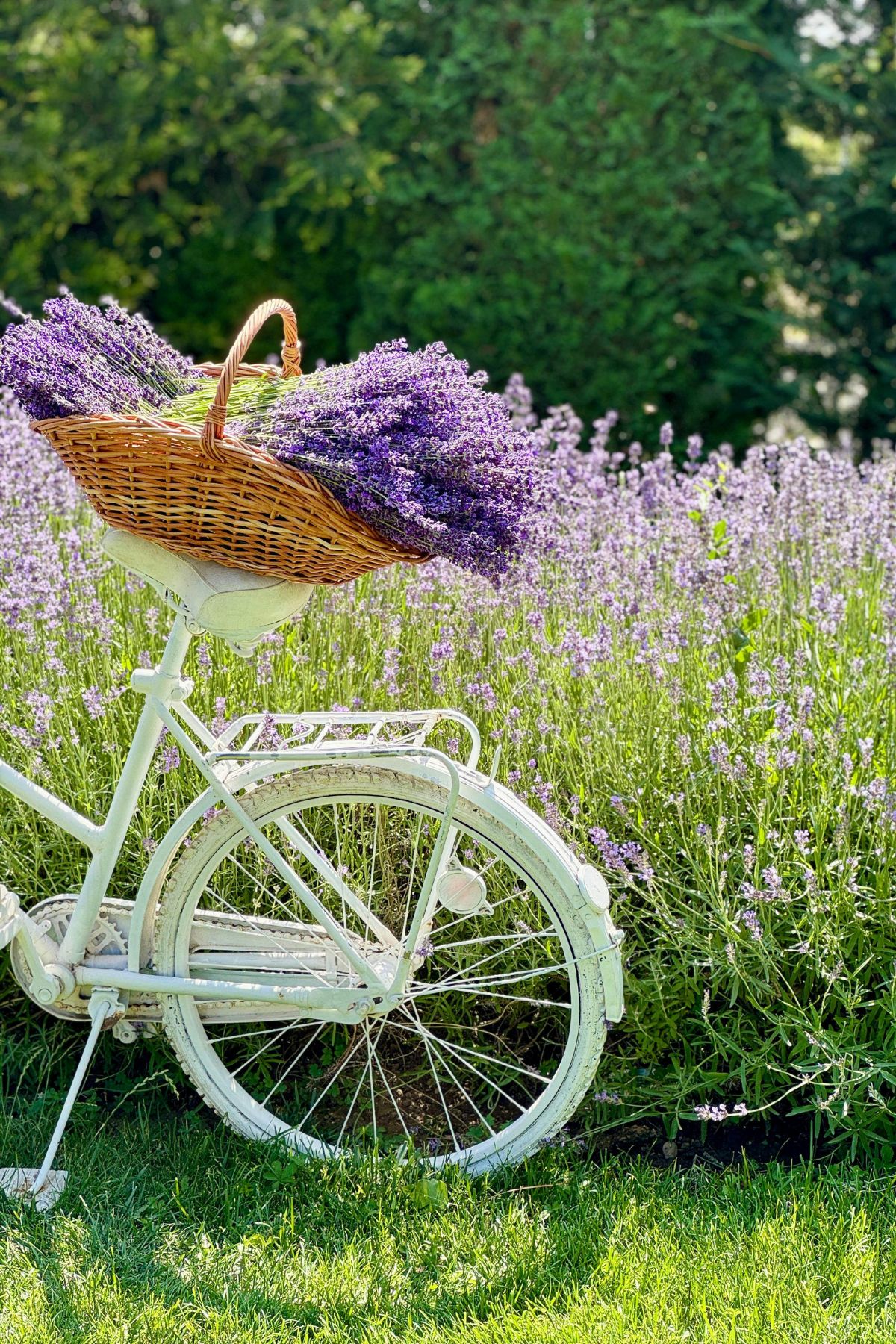
At its best fragrance and colour, lavender needs to be harvested at the right stage. Harvest cut stems when the flower buds are just beginning to open.
Flowers should be cut in the morning when essential oils are at their highest, before the heat of the day sets in. Tie the stems into a bundle and hang them upside down in a dry, airy space.
Dried lavender can be incorporated into crafts, sachets, or cooking, bringing beauty and fragrance to everyday life.

Common Problems and Solutions
Fortunately, lavender is not often bothered by pests and diseases, but it does face some challenges. A fungal infection is typically caused by too much moisture. Most issues can be prevented with proper air circulation, well-drained soil, and careful watering.
In case something like aphids appears, washing them off with water or introducing beneficial insects helps keep them in check. This is important, as regular inspection of the plant and eradication of pests help keep the plant healthy.
Lavender adds both aesthetic appeal and functionality to the garden. However, if we plant at the right time and take a little care, the plants will be strong and healthy.
Lavender is added to lifetime deals for the gardener order, provided one soil type is suitable for pruning and sunlight. With a little thoughtfulness, as discussed, almost anyone can enjoy this delightful herb.
