

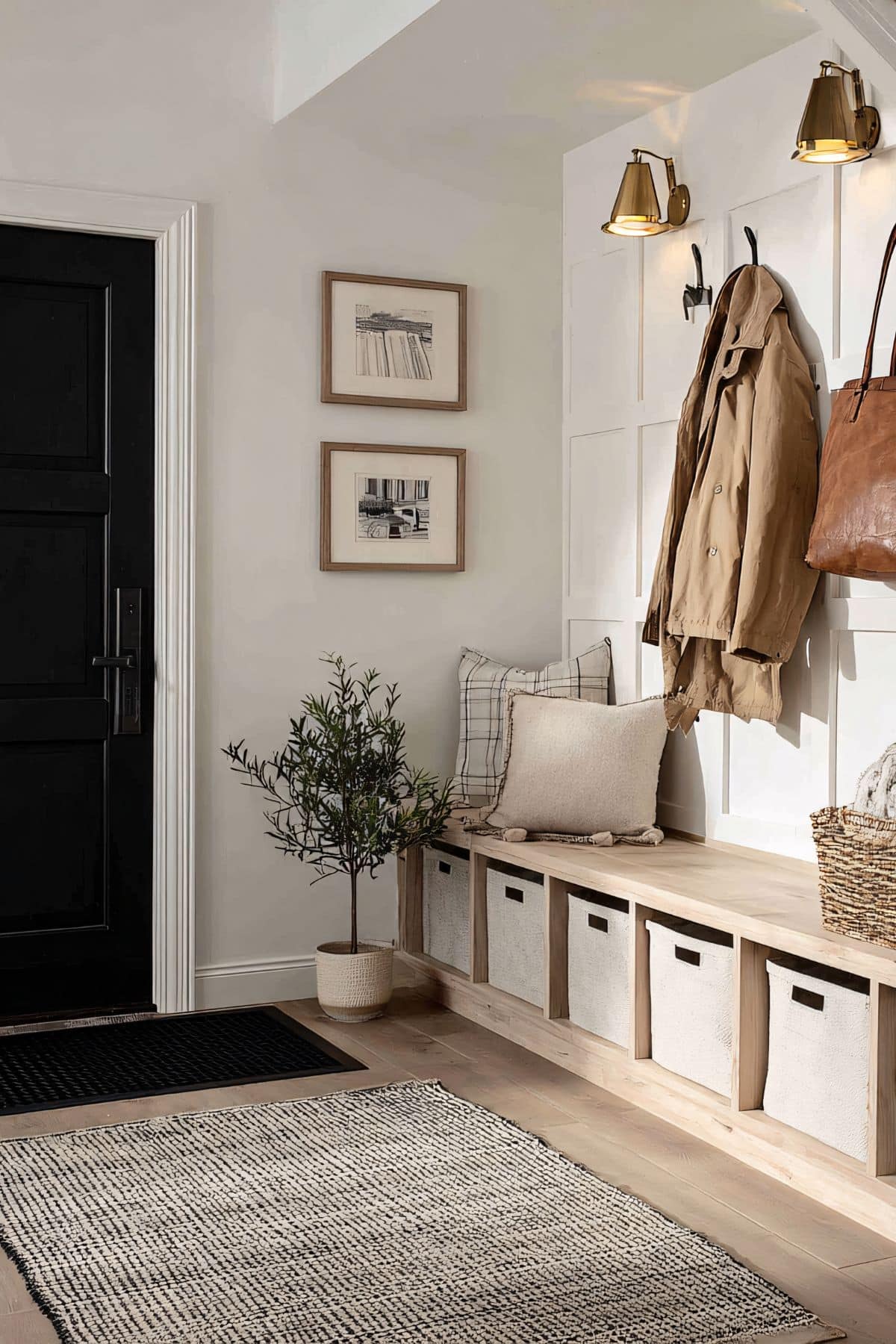
Dark entrances and hallways can make even the most stylish homes seem cramped and unwelcoming. These transitional spaces often lack natural light, creating a gloomy first impression. Yet with a few clever design tweaks, even the darkest entrance can become a bright, airy space that creates a positive atmosphere.
Brightening these challenging areas requires knowledge of light, colour and material combinations. Small updates to an entrance from adding doors with glass panels to choosing appropriate wall colours can drastically change how spacious the area feels. These adjustments don’t require extensive renovations or large expenses.
British homeowners are increasingly noticing that entrance spaces should receive as much design focus as living rooms or kitchens. After all, these areas create that important first impression for both residents and visitors alike. With thoughtful planning, even the narrowest hallway or darkest porch can become an inviting introduction to a home.
Why Dark Entrances Feel Cramped and Unwelcoming
Dark entrances influence perception in major ways. When people enter a dim space, their brains often interpret it as smaller and more confined. This reaction can make entrances feel tighter and less welcoming.
Many UK homes have specific architectural challenges that worsen this issue. Narrow Victorian hallways, 1930s semi-detached entrances with limited windows, and modern townhouses with internal hallways typically struggle with natural light. These spaces frequently become dark zones that fail to showcase the home’s character.
Poor lighting choices and dark colours intensify these problems. Dark walls absorb what little light is available, while inadequate lighting creates shadows that shrink the space visually. When an entrance lacks good lighting, it generally appears smaller than its actual size.
The entrance sets the tone for the entire home. It serves as the first space visitors experience and the transition zone between outside and inside. A dark, cramped entrance creates a negative impression, regardless of how beautifully designed the rest of the home might be.
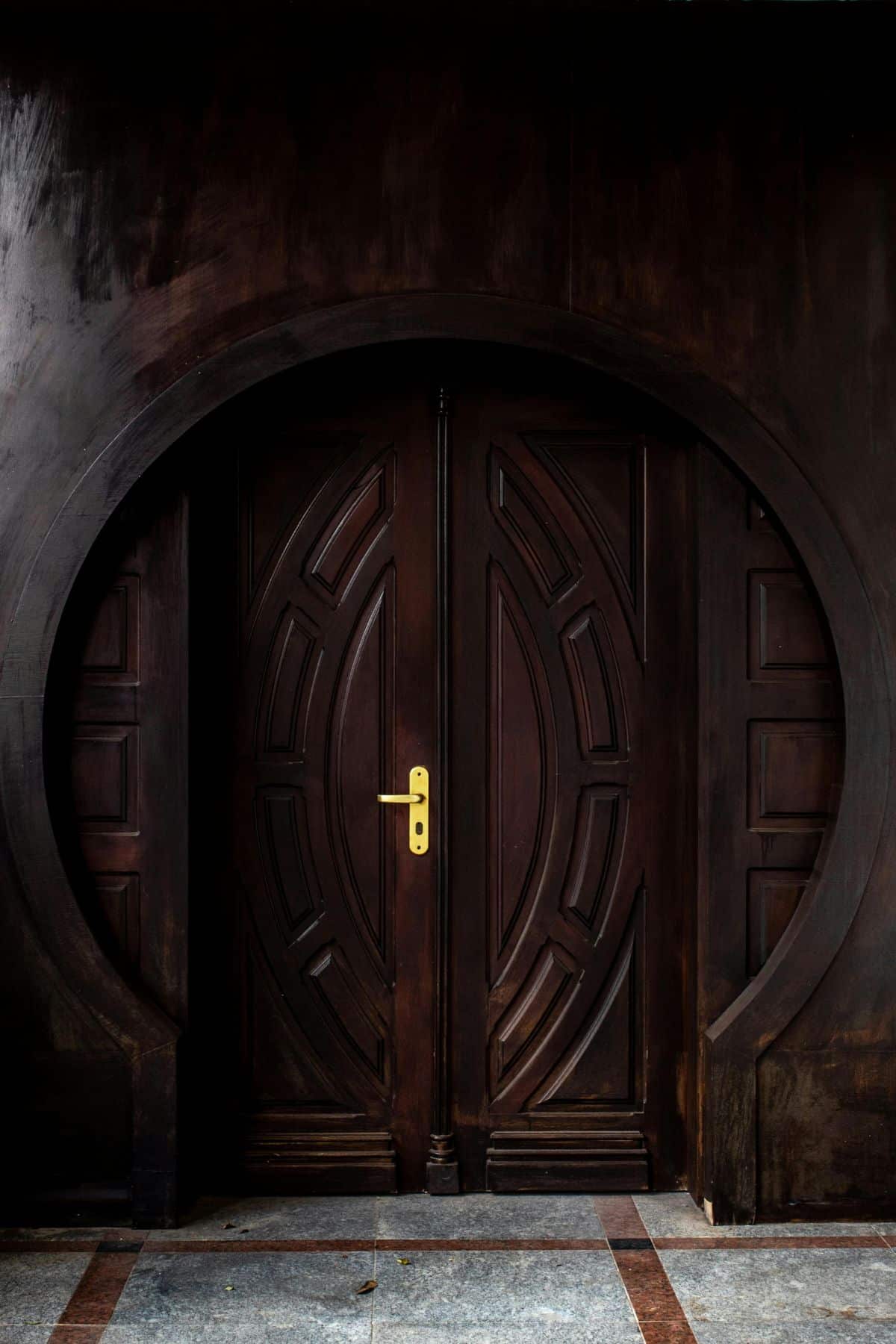
Light-Improving Door Solutions for Instant Impact
Door selection strongly affects light flow through an entrance. Solid doors block natural light entirely, while doors with glass panels allow light to pass through, brightening dark hallways. Aluminium bi-folding doors with slim frames increase the glass area and improve light movement between spaces.
Glass panels in doors provide two main benefits. They increase natural light and create visual connections between spaces. This makes an entrance feel connected to a larger area rather than isolated. Adding glazed elements to entrance areas increases the sense of space and allows more light to flow between rooms.
Composite doors with glass inserts balance security and light increase effectively. Unlike older door styles, modern composite door designs include high-security glazing options that maintain safety. Many contemporary composites feature various glazing styles that combine privacy and natural light for brighter, secure entrances.
Replacing a solid door with a partially glazed alternative transforms the space quickly. Even small glass panels at the top of a door alter light distribution through an entrance. For side entrances or internal hallways, doors with frosted glass maintain privacy while allowing light to filter through.
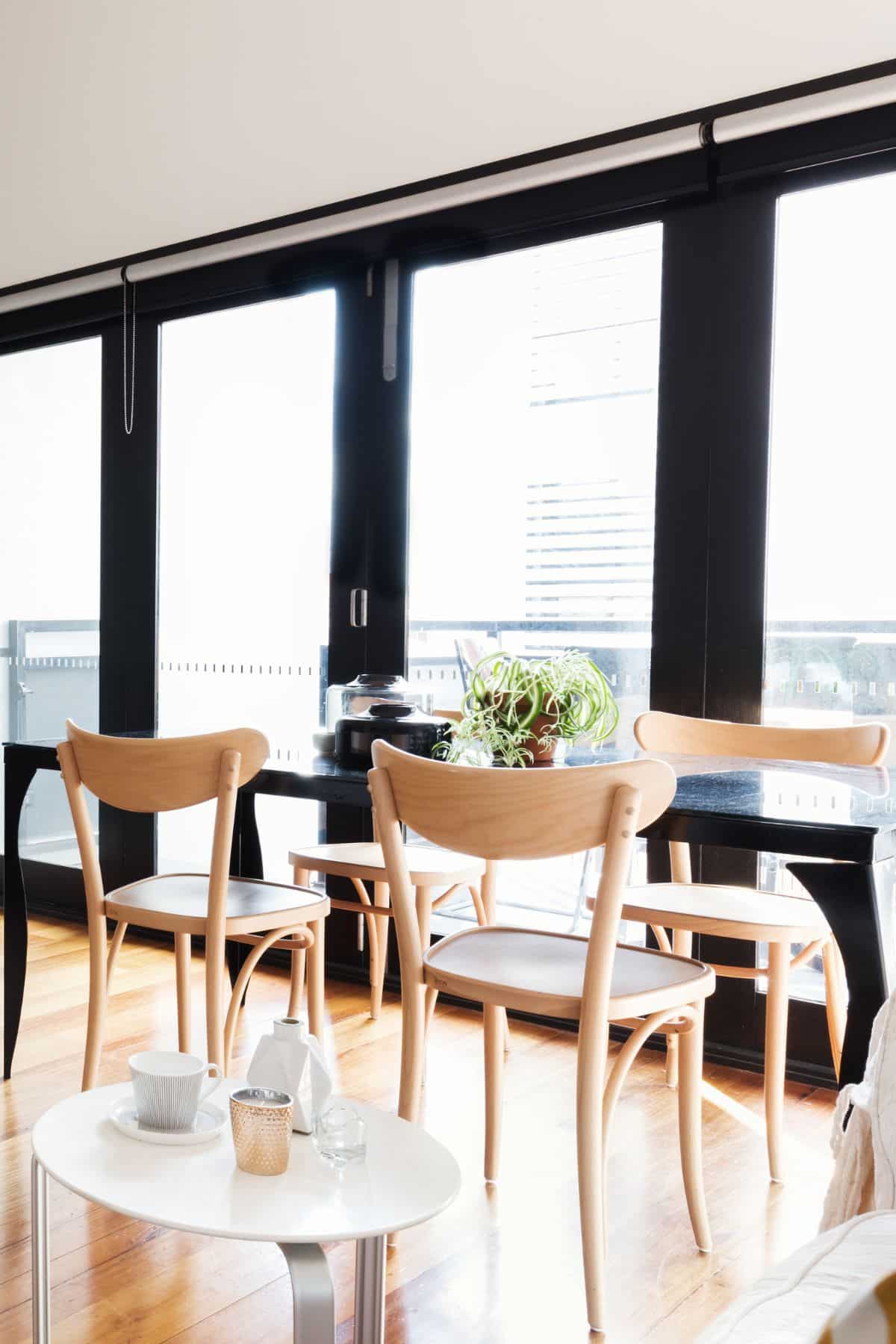
Choosing the Right Door Style for Your Space
Door design affects both light movement and spatial appearance. Contemporary door designs with clean lines and minimal detailing typically feel less imposing in small spaces. Traditional doors with ornate panels add character but may feel heavier visually.
Different glazing arrangements affect light distribution throughout an entrance. Large, single glass panels admit the most light but offer less privacy. Smaller, multiple glass inserts create interesting light patterns while preserving more privacy. Doors with upper glass panels suit entrances well as they bring in light while keeping the lower portion solid for security.
Finding the right balance between light and privacy matters greatly. For front entrances facing busy streets, decorative or obscured glass admits light while preventing clear views inside. For internal doors or side entrances, clearer glass creates a sense of openness between spaces.
Colour and Finish Techniques That Create Depth
Paint colours affect space perception greatly. Light Reflectance Value (LRV) measures how much light a colour reflects. Higher values can help make spaces appear larger. Pale colours with a high LRV may help narrow entrances feel wider by reflecting more light around the space.
Using contrasting colours defines zones and adds depth in small entrances. A slightly darker colour on the far wall of a hallway draws the eye forward. This creates an illusion of greater depth. Keeping side walls lighter helps widen the perceived space.
Paint finishes matter too. Satin finishes reflect more light than matte, helping bounce natural light around dark entrances. For very dark spaces, eggshell or semi-gloss finishes on doors and trim can increase light reflection.
Door and trim colour combinations can visually broaden narrow spaces. Painting a composite door and surrounding trim in the same colour creates a seamless look. UK brands like Farrow & Ball, Little Greene, and Dulux offer high-LRV paints designed to boost light reflection in dark spaces.
Colour Zoning for Visual Expansion
Using tonal variations of the same colour builds subtle depth perception without dividing the space. Light blue-greys shifting into slightly deeper tones can make an entrance feel longer and more defined without harsh boundaries.
The 60-30-10 colour rule is a popular approach in small entrances. Apply 60% of the space for a light base colour, 30% for a secondary tone, and 10% for accent colours. This balanced approach creates interest without overwhelming the space.
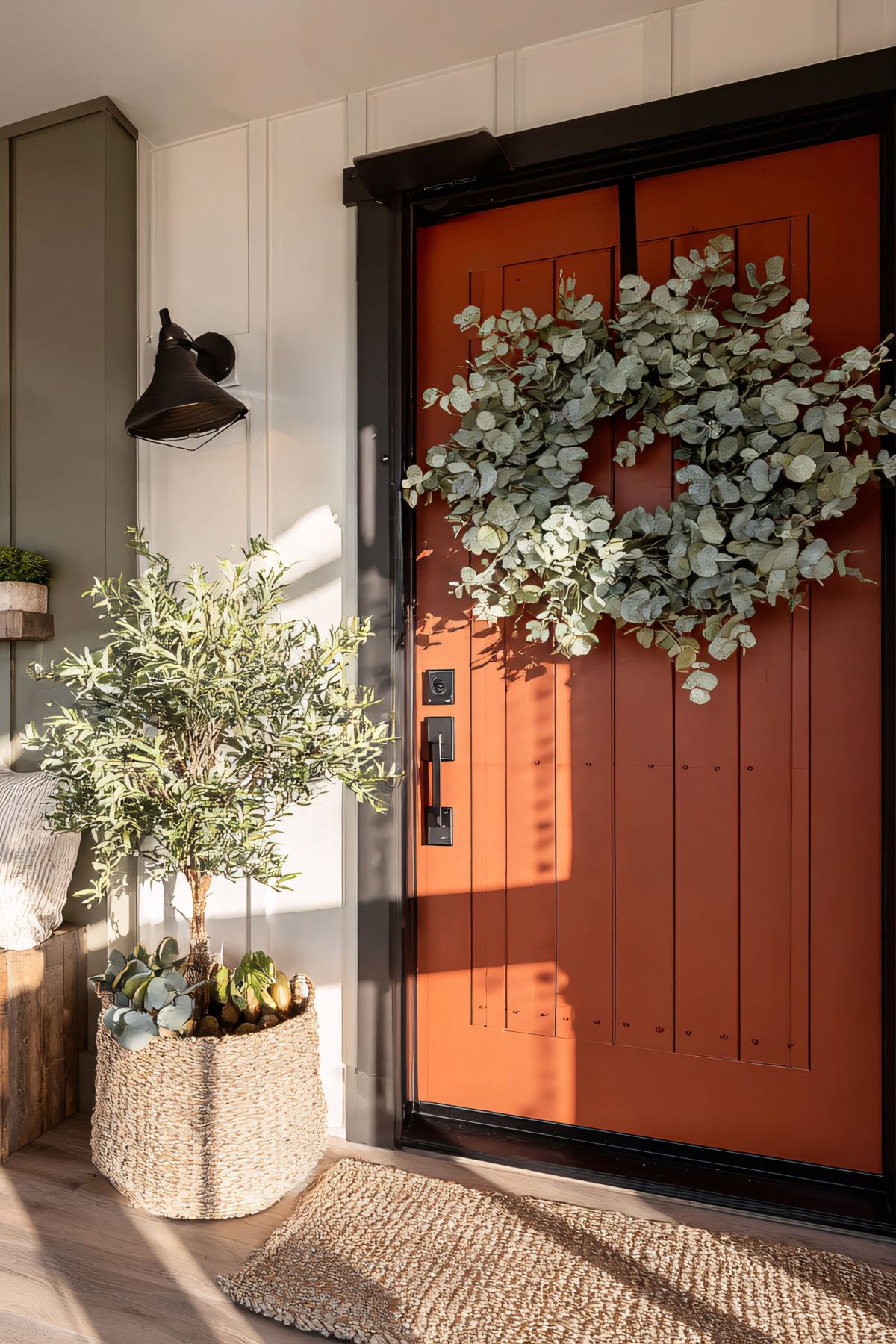
Creating focal points draws the eye through the entrance, making it feel larger. A feature wall at the end of a hallway, a striking pendant light, or a bold composite door colour can serve as focal points that extend the visual journey through an entrance.
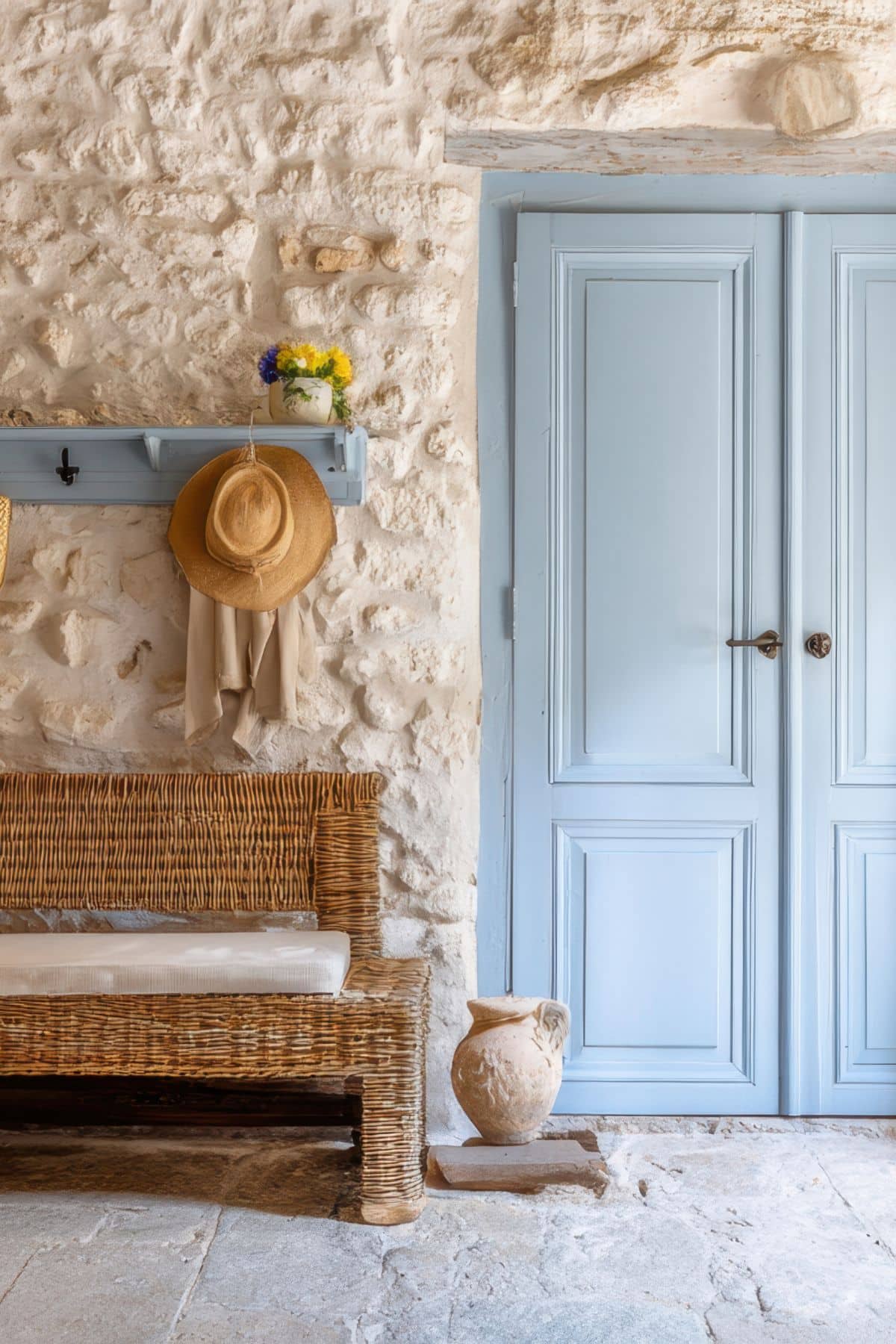
Mirror and Reflective Surface Placement
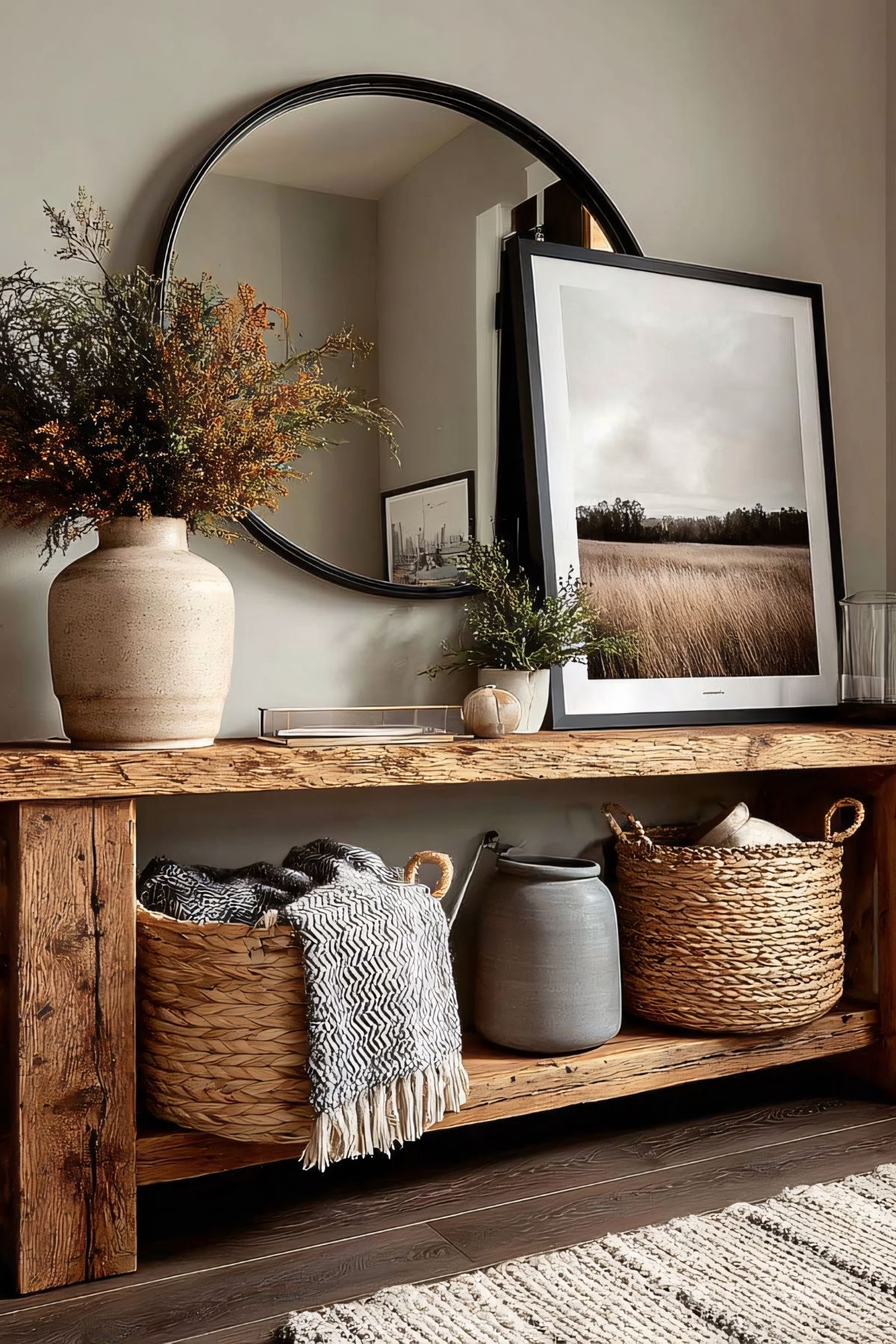
Strategic mirror placement is one of the most effective tricks for making small spaces appear larger. A mirror placed opposite a window or glass-panelled door reflects natural light into the room. Simple rectangular mirrors or round designs work well when positioned to catch the brightest light.
In tight entrances, mirrored furniture offers dual functionality without overwhelming the space. A slim console table with mirrored panels provides storage while visually disappearing. Mirrored coat hooks or small mirrored shelves add practical storage that seems to take up minimal visual space.
Reflective accessories spread light into dark corners. Metallic picture frames, glass vases, and polished brass light fixtures help reflect light while adding style. Even small touches like crystal doorknobs or chrome hooks can boost the overall brightness of the space.
Practical considerations matter when using mirrors in high-traffic areas. Choose mirrors with bevelled edges for safety, and ensure they are securely mounted. For families with young children, consider placing mirrors above child height or using shatterproof options.
Lighting Solutions for Dark Corners
A layered lighting scheme can improve dark entrances noticeably. Combining several light sources offers both style and function. Include ambient lighting for general brightness, task lights for focused activities like finding keys, and accent lighting to highlight features.
For effective lighting, arrange fixtures so their beams overlap instead of leaving dark patches. Wall sconces paired with a ceiling fixture spread light across the space. A table lamp or LED strip beneath a console keeps lower corners bright. This approach helps eliminate shadows from multiple angles.
Space-saving fixtures can make a noticeable difference in tight entrances. Recessed ceiling spots provide good ambient light without hanging down into the space. Wall sconces at eye level create a warm glow while taking up zero floor space.
Placing lights to eliminate shadows is essential. Arrange lights to overlap their pools of illumination, preventing dark spots between fixtures. For long hallways, spacing wall lights at regular intervals can help create an even wash of light.
Quick-Win Lighting Updates
Energy-saving options compatible with UK voltage standards include LED recessed spots. These use less energy than traditional halogen bulbs while lasting much longer. Smart lighting systems allow for brightness adjustments throughout the day.
Plug-in solutions provide fast improvements without electrical work. Plug-in wall sconces can be installed anywhere near an outlet. LED strip lights can be tucked along skirting boards to create a soft glow that makes floors appear to hover.
Battery-operated and motion-sensor options work well for awkward spaces. Stick-on LED lights under shelves or in dark corners activate when someone enters. These are especially helpful in under-stair areas or entrance cupboards.
Upgrading existing fixtures without rewiring can be easier than expected. Replacing dated shades with clear glass or open-cage designs allows more light to spread through the space. Switching standard bulbs for brighter LED versions can increase light output significantly.
